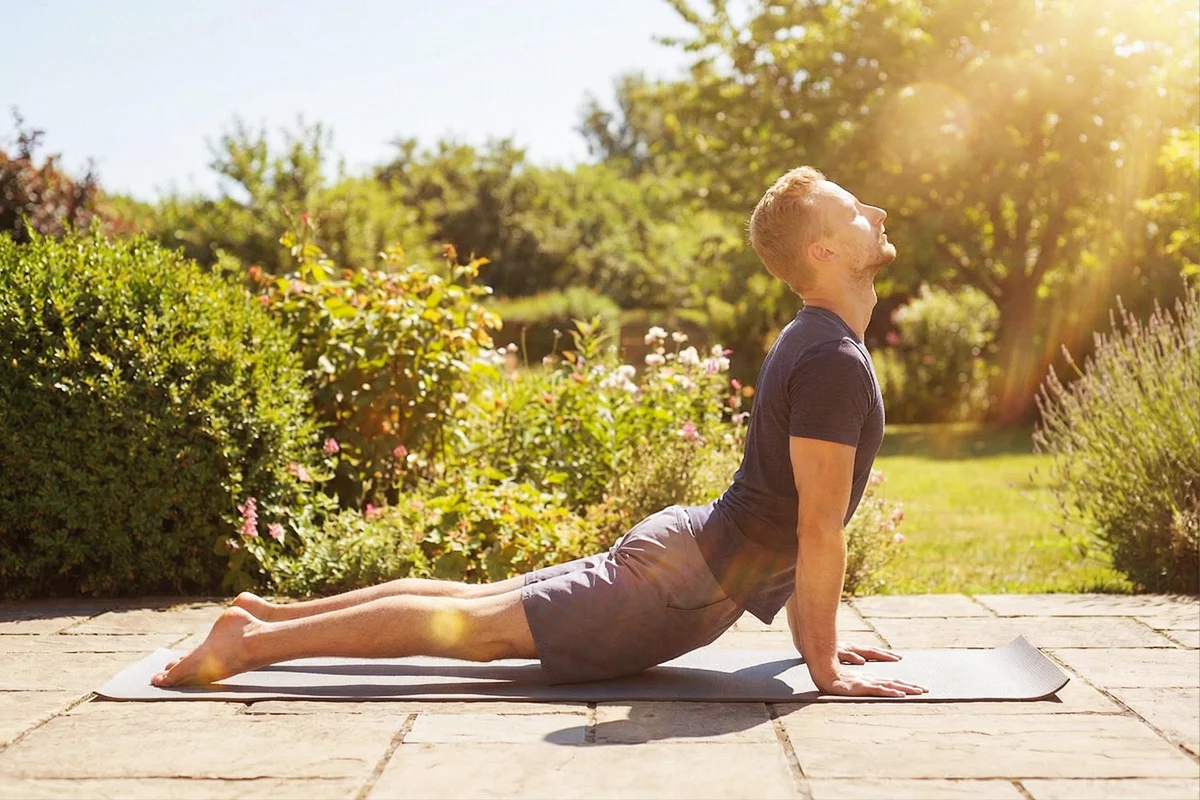
The pursuit of a vibrant, energetic day often begins with a solid morning routine. For millions globally, that routine includes Suryanamaskar, the iconic Sun Salutation. Often considered a centrepiece of modern-day Yoga. But do you know that it was neither considered a traditional asana (posture) nor a formal part of early, classical Yoga?
Let’s uncover the history, the meaning of the sacred chants, and the amazing advantages of this sadhana (spiritual practice).
The Origin of Suryanamaskar
‘Suryanamaskar’ or the ‘sun salutation’ is a set of dynamic postures. This sequence is largely believed to have been conceived and popularized in the 1920s by the King of Aundh, Late Shrimant Balasaheb Pant Pratinidhi.
- Blending Traditions: The practice drew inspiration from ancient Indian physical training, particularly the Dandaal exercises (like pushups) practiced by wrestlers and martial artists. This connection is seen clearly in steps like Parvatasana, Ashtanga Namaskara, and Bhujangasana, which collectively resemble the vigorous Dandaal sequence.
- A Modern Catalyst: Pioneers like T. Krishnamacharya ji and Swami Sivananda later introduced their own variations and successfully incorporated Suryanamaskar into the broader yogic context, recognizing its immense potential for promoting physical and mental health.
Suryanamaskar thus became a unique and powerful blend of physical culture and Yoga, making it a forerunner to modern-day functional physical exercises.
The Twelve-Steps to Health
A single sequence of Suryanamaskar typically involves 12 distinct postures, creating 24 steps to complete one full round (performing the sequence with each side of the body).
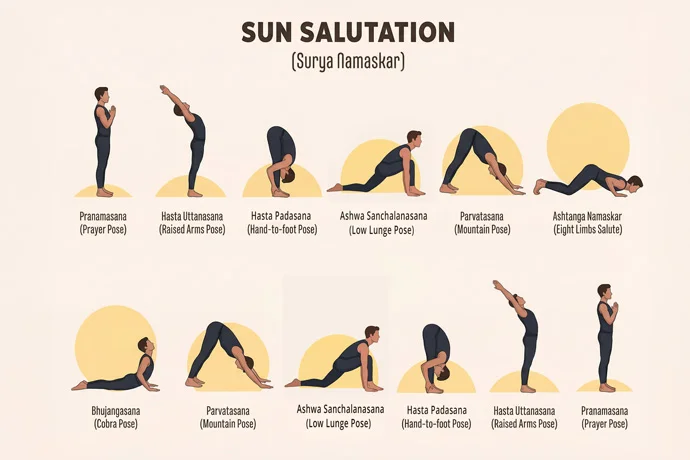
The brilliance of the steps lies in the coordinated breathing pattern:
- Inhale (Expansion): Breath is drawn in during backward bending postures (e.g., Hasta Utthanasana and Bhujangasana), promoting chest expansion and lung capacity.
- Exhale (Contraction): Breath is released during forward bending postures (e.g., Padahastasana and Parvatasana), helping to compress and empty the lungs.
- Breath Held Out: The breath is intentionally held out briefly during the Ashtanga Namaskara (Salute with Eight Points) posture, where the chest is near the floor.
This alternating inhale/exhale sequence naturally helps the lungs to breathe efficiently, making Suryanamaskar an excellent practice for improving respiratory health.
The Mantras: Saluting the Sun God
At its heart, Suryanamaskar is a devotional salutation to the sun, or Surya. The sun is revered in many cultures (like Mithras in Persia, Apollo in Greece, and Surya in India) as the Pratyaksha Swarupa, the ultimate visible power, the giver of knowledge, intellect, and prosperity.
In the complete practice, specific names of the Sun God (Mantras) are chanted along with a specific focus point (Chakra) in the body.
| Step | Posture Name | Mantra/Name of Surya | Associated Chakra |
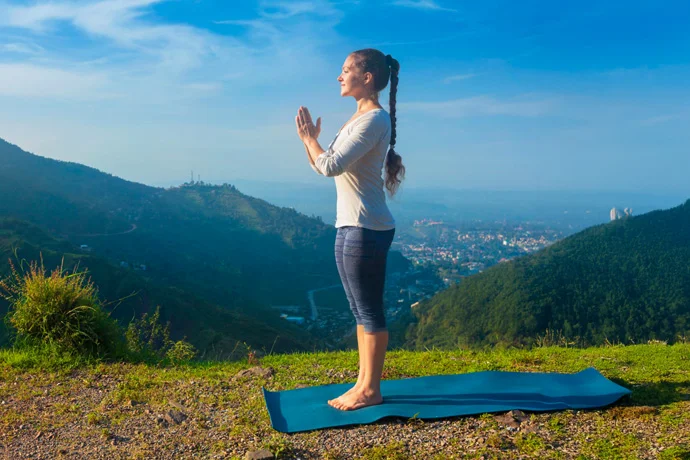
| 1 | Pranamasana (Prayer Pose) | Om Mitraya Namah | Anahata (Heart) |
| 2 | Hasta Utthanasana (Raised Arms Pose) | Om Ravaye Namah | Vishuddhi (Throat) |
| 3 | Padahastasana (Hand to Foot Pose) | Om Suryaya Namah | Swadhisthana (Sacral) |
| 4 | Ashwa Sanchalanasana (Equestrian Pose) | Om Bhanave Namah | Ajna (Third Eye) |
| 5 | Parvatasana (Mountain Pose) | Om Khagaya Namah | Vishuddhi (Throat) |
| 6 | Ashtanga Namaskara (Salute with 8 Points) | Om Pushne Namah | Manipura (Navel) |
| 7 | Bhujangasana (Cobra Pose) | Om Hiranyagarbhaya Namah | Swadhisthana (Sacral) |
| 8 | Parvatasana (Mountain Pose) | Om Marichaye Namah | Vishuddhi (Throat) |
| 9 | Ashwa Sanchalanasana (Equestrian Pose) | Om Adityaya Namah | Ajna (Third Eye) |
| 10 | Padahastasana (Hand to Foot Pose) | Om Savitre Namah | Swadhisthana (Sacral) |
| 11 | Hasta Utthanasana (Raised Arms Pose) | Om Arkaya Namah | Vishuddhi (Throat) |
| 12 | Pranamasana (Prayer Pose) | Om Bhaskaraya Namah | Anahata (Heart) |
Power Of Mantras
The Mantras serve as powerful tools for the mind, elevating the physical practice in line with the principles of Raja and Bhakti Yoga.
A. Raja Yoga: Dharana (Concentration)
In Raja Yoga, the eight limbs culminate in concentration (Dharana). When performing the rapid, rhythmic movements of Surya Namaskar, the mind can easily wander. The mantra acts as a single point of focus. The chant creates a rhythmic vibration that quietens the mental chatter (Citta Vritti), moving the practitioner toward true meditation.
B. Bhakti Yoga: Reverence for the Sun
By dedicating the practice to the celestial body that gives life, energy, and warmth, the practice naturally cultivates a feeling of reverence, gratitude, and surrender—the essence of Bhakti Yoga. The full 12-name mantra set is sometimes used, but shorter Beeja Mantras are often preferred in fast-paced practice to focus on the energetic aspect of the Sun.
Benefits: Physical, Psychological, and Physiological
Regular practice of Suryanamaskar offers a complete workout for the body, affecting nearly every system. Research has highlighted its effectiveness across various health parameters:
Physical & Physiological Gains
- Joint Mobility and Muscle Toning: The dynamic, full-body movements cause muscles to contract and expand alternatively, toning the joints and redirecting stagnant blood back to the lungs and kidneys for purification. Suryanamaskar has been shown to increase the mobility of almost all major joints.
- Cardio-Respiratory Efficiency: The coordination of breath and movement enhances gaseous exchange in the lungs, improving the rate of respiration. Practicing at a fast pace can mimic aerobic exercise, while a slow pace offers benefits similar to gentle Yoga training. It’s recommended for improving cardio-respiratory efficiency in both healthy individuals and cardiac patients.
- Metabolic Health: Regular practice contributes to maintaining a healthy Body Mass Index (BMI) and a reduction in body fat. While the practice itself can increase energy expenditure, long-term Yoga practice (which includes these postures) has also been associated with a decrease in Basal Metabolic Rate (BMR) due to reduced arousal, suggesting a calm state.
- Abdominal Organ Stimulation: The sequence involves alternating stretching and compression of the abdominal area, which stimulates organs like the stomach, liver, and kidneys. This can improve the peristalsis (movement) of the intestines, aid in waste elimination, and massage/tone the kidneys.
- Detoxification and Immunity: The movements stimulate blood circulation throughout the body and promote the efficient elimination of toxins through increased perspiration. It is also reported to improve the efficiency of the immune system.
Psychological Benefits
While the text focuses heavily on the physical, the rhythmic, mindful nature of Suryanamaskar, especially when combined with breath coordination and mantra chanting, serves as a powerful tool for mental health. It promotes focus, reduces stress, and provides the practitioner with a foundation of physical and mental vitality required for higher yogic or meditative practices.
Conclusion
Suryanamaskar is a magnificent practice, a complete sadhana wrapped in a dynamic 12-step sequence. It is a powerful legacy, born from a blend of ancient physical culture and yogic wisdom, and refined for the modern world.
It is rare to find a single exercise that simultaneously impacts so many layers of our being. The powerful dimension of Mantras elevates the practice to a form of moving meditation, aligning us with the vital energy of the sun and cultivating mental focus (Dharana) and reverence (Bhakti).
By consciously combining the physical postures (asanas), coordinated breathing (pranayama), and mindful concentration on the Mantras and Chakras, the Sun Salutation offers an efficient and comprehensive way to greet the world with unmatched energy, robust health, and a calm, focused mind.

